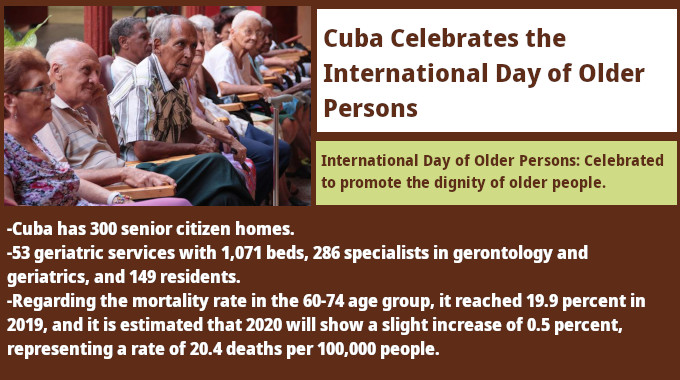
Cuba observes International Day of Older Persons with a blend of warmth, community action, and practical support that reflects its social values. Each year, the island marks October 1 as a moment to honor the dignity, contributions, and needs of its aging population, while also reaffirming the country’s commitments to social welfare and shared responsibility.
A prominent theme in Cuba’s approach is solidarity. Across neighborhoods, families, and local organizations, volunteers and community groups coordinate events that include health screenings, informational seminars, and social activities designed to reduce isolation among seniors. Public spaces become venues for gentle exercise sessions, dance and music gatherings, and storytelling circles where elders share memories, histories, and lessons from decades past. These activities do more than entertain; they strengthen social ties and help older adults stay active and engaged.
Healthcare access is a central pillar of the celebration. Cuba’s universal healthcare system provides regular medical checkups, preventive care, and chronic disease management, which are especially important for aging citizens. On International Day of Older Persons, clinics and community health centers often host special outreach events, offering screenings for hypertension, diabetes, vision, and hearing. Pharmacist consultations, medication reviews, and guidance on healthy aging are commonly available, emphasizing prevention and management rather than crisis care.
Cultural programming also plays a significant role. Festivals, concerts, and performances showcase the talents of older performers and veteran musicians, actors, and artists. These events honor decades of dedication and remind society that age does not diminish creativity or relevance. Museums and cultural centers may curate exhibits highlighting the experiences of older generations, fostering intergenerational dialogue between young people and grandparents, students, and neighbors.
Family involvement remains vital in Cuban celebrations of this day. Many families use the occasion to recognize the contributions of their elders, from families who helped raise children to those who served in the labor force or community organizations. The celebrations often extend beyond the day itself, reinforcing routines of care, companionship, and shared meals. In urban areas and rural towns alike, neighbors check in on seniors, run errands, and ensure access to transport and essential services.
Policy and advocacy elements are also present, though often quietly embedded in broader social programs. The Cuban government emphasizes aging as part of its social contract, promoting pension systems, social services, and community-based support networks. International Day of Older Persons thus serves not only as a moment of gratitude but also as a reminder of ongoing efforts to improve living conditions, ensure dignified retirement, and maintain inclusion for all generations.
Education and awareness are recurrent themes. Programs aimed at educating younger generations about aging, respect, and social responsibility help cultivate a more inclusive culture. Schools, workplaces, and community centers may host discussions on topics like elder rights, accessibility, and the importance of honoring elders in daily life.
Challenges persist, as in many countries with aging populations. Cuba faces the need to balance resources, caregiver support, and the rise in chronic illnesses that accompany aging. The day’s observances acknowledge these realities while focusing on practical solutions—strong family networks, robust primary care, and vibrant community life—that can help mitigate isolation and improve health outcomes.
Cuba’s celebration of the International Day of Older Persons is characterized by community involvement, accessible healthcare, cultural acknowledgment, and a deep sense of respect for elders. It is a yearly reminder that aging is a shared journey, one that benefits from compassion, connection, and sustained public support.