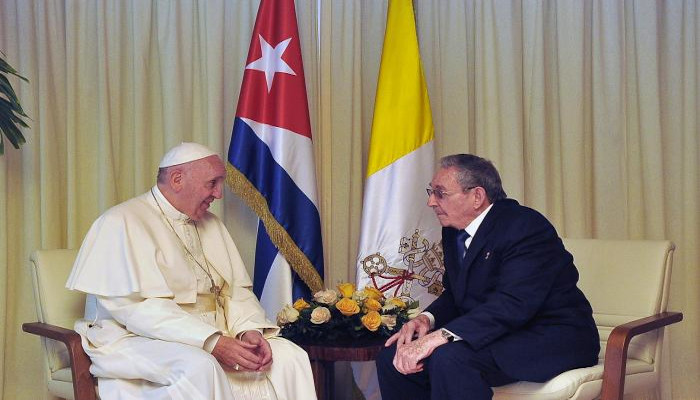
Pope Francis’s visit to Cuba from September 19 to 22, 2015 marked a crucial moment for the island and the wider Catholic Church in the region. The trip, the first papal pilgrimage to Cuba, carried symbolic weight beyond religious circles, signaling a bridge between a nation long shaped by socialist ideals and a faith tradition rooted in mercy, forgiveness, and outreach. Its significance lay in diplomatic, social, and spiritual dimensions that together offered a hopeful lens on Cuba’s future.
The visit occurred at a time of transformative change for Cuba and the United States. Just weeks earlier, the two countries had announced a thaw in relations, ending decades of mutual isolation. Pope Francis, himself a pastor who emphasizes humility and dialogue, became a quiet diplomat on the ground, helping to soften tensions and humanize the processes of reform. His presence underscored the importance of dialogue over confrontation and highlighted the church’s role as a moral actor capable of fostering constructive conversations between rival factions. By meeting with Cuban officials, clergy, and ordinary citizens, the pope reinforced a narrative of reconciliation that complemented official policy shifts and provided momentum for continued reform.
The church in Cuba has long been a center of community life, offering education, healthcare, and charitable work amid austerity and economic constraints. Francis’s visit highlighted the church’s ongoing commitment to social justice, compassion, and the common good. He called for fairness, the dignity of every person, and the need to address poverty and inequality, issues that transcended partisan lines. The pope’s simple, humane approach resonated with many Cubans who had grown up under scarcity and who sought gradual improvements in daily life. Moreover, his emphasis on abortion, family, and the role of faith in civic life spoke to a broad audience inside and outside the church, inviting people to reflect on moral and ethical choices in a rapidly changing society.
Spiritually, the trip reinforced the Catholic Church’s global leadership in promoting mercy and dialogue. Francis’s message was not about conquest or dominance but about renewal through humility, service, and solidarity. He celebrated Mass in venues that drew large crowds, including a concrete display of the faithful’s devotion, while also acknowledging the importance of other religious communities on the island.
The visit emphasized ecumenism and interfaith respect, signaling an openness to collaboration with Protestant, Orthodox, Jehovah’s Witness, and other religious groups that coexisted with Catholic institutions in Cuba. This inclusive tone helped to reframe religious life in Cuba as a source of courage and hope, rather than mere resistance or isolation.
The pope’s itinerary, ranging from Havana to Holguín and ending in a moment of public address to youth and families, highlighted a country with deep historical layers: the revolutionary legacy, the enduring faith of its people, and the aspiration for a more open and humane society. The pope’s choice of words, his gentle demeanor, and his accessible style contrasted with the often rigid political rhetoric of the era, offering a different kind of narrative about Cuba’s future. His emphasis on mercy, forgiveness, and the dignity of every person served as a counterpoint to a climate of mistrust and suspicion that had long characterized international relations in the region.
For Cuban Catholics, the pope’s presence affirmed their faith and offered a renewed sense of purpose. For the Cuban church, it provided a platform to articulate its social mission with greater visibility and legitimacy, potentially expanding its influence in education, health care, and charitable work.
Pope Francis’s 2015 visit to Cuba was significant because it fused spiritual guidance with practical diplomacy, underscored the power of mercy in public life, and catalyzed conversations about reform, reconciliation, and social justice. It offered a hopeful blueprint for how faith communities can accompany a nation through transition, gentle, patient, and rooted in the conviction that every person’s dignity deserves protection and care.