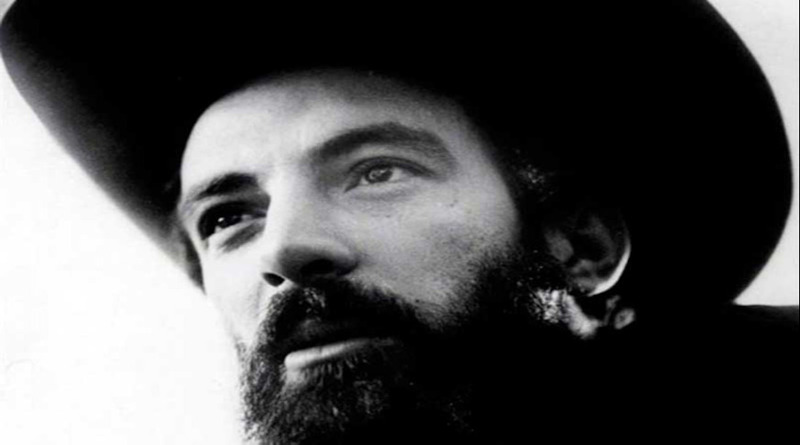
Camilo Ciefuegos’s death on October 28, 1959, posed a deeply sorrowful moment that echoed beyond his own life into the memories of those who knew him and the communities he touched. To understand the sadness surrounding his passing, it is essential to consider the person he was, the circumstances of his death, and the sense of loss that followed.
Camilo Ciefuegos was more than a name on a page of history; he embodied a set of qualities that left a quiet, lasting impression on the people around him. He carried a steady kindness, an ear for listening, and a willingness to help others without seeking praise. In moments of hardship, he offered practical support and steady reassurance, qualities that built trust and cultivated a sense of safety among friends, colleagues, and neighbors. His presence often brought a sense of calm, a reminder that even amid uncertainty, there are individuals who stand by you with steadiness and care.
The circumstances surrounding his death in late October 1959 carry a weight that adds to the sorrow. When someone passes suddenly or under tragic conditions, the immediate shock gives way to a longer, more lingering grief. People wrestle with unanswered questions, perform acts of memorializing, and search for meaning in a moment of abrupt absence. The emotional response is seldom simple; it blends sorrow with gratitude for having known the person and for the small, everyday moments that now take on new significance.
Communities respond to such losses in varied ways, and the impact can ripple through different layers of social life. Families feel the deepest sting, navigating a future without the familiar routines and shared rituals that once anchored daily life. Friends and colleagues grieve the loss of a companion who offered support, camaraderie, and a steady hand during challenges. In a broader sense, the death can prompt introspection about life’s fragility and the values that sustain a community, kindness, responsibility, and the importance of looking out for one another. Memorials, heartfelt remembrances, and quiet acts of tribute often emerge as people seek tangible ways to honor a life that mattered.
The sadness surrounding Camilo Ciefuegos’s death also invites reflection on the human cost of the events of the era. The late 1950s were a time of upheaval in many parts of the world, and individuals living through those times carried the weight of societal tensions, personal risks, and the precariousness of daily existence. In such contexts, a single loss can feel emblematic, representing broader concerns about safety, justice, and the future. Yet within that sadness lies a call to remember and to learn: to preserve the memory of a person who touched others’ lives, to recognize the fragility of life, and to renew a commitment to support one another in times of trouble.
Ultimately, the death of Camilo Ciefuegos on October 28, 1959, remains a somber marker in the collective memory of those who knew him. It is a reminder that every life, no matter how quietly lived, leaves behind a trace of influence, small acts of kindness, shared conversations, and the confidence that someone cared. The sadness endures because it is tied to real relationships and real moments that can never be recaptured. Yet within that sadness also lies a quiet tribute: an acknowledgment of a life that mattered and a commitment to carry forward the virtues that person embodied.