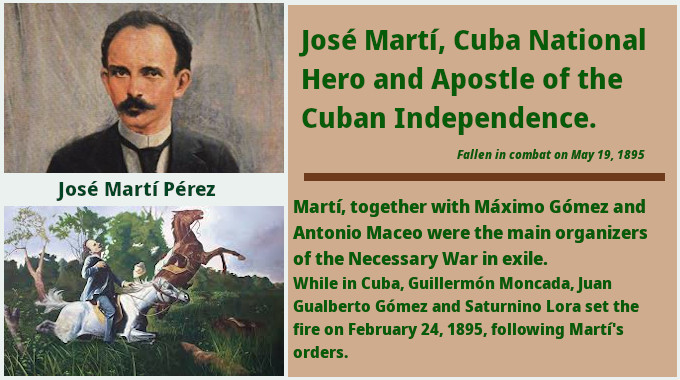
In the heart of the 19th century, Cuba found itself embroiled in a struggle for independence, a quest fueled by the aspirations of its people for freedom from the Spanish colonial rule. Among the prominent figures in this movement was José Martí, , a visionary leader whose profound commitment to Cuba’s sovereignty led to his crucial role in organizing the Necessary War. This story delves into Martí’s life during this critical period, exploring the setting, key figures, and the intricate web of events that shaped the path to liberation.
The late 1800s in Cuba was a time of social upheaval and nationalistic fervor. The island, under Spanish colonial rule, was rife with discontent. The cries for autonomy echoed through the sugar plantations, bustling cities, and quiet rural villages alike. Martí, a poet, journalist, and passionate advocate for Cuban independence, returned to his homeland after years of exile in the United States, determined to ignite the flames of revolution.
José Martí was not alone in this fight. He was joined by a cadre of passionate revolutionaries, including the formidable Máximo Gómez and the brave Antonio Maceo. Each of these figures brought unique strengths to the cause. Gómez, a seasoned military leader, provided the strategic expertise necessary for guerilla warfare, while Maceo, known for his fierce courage, embodied the spirit of defiance that inspired countless Cubans to join the ranks of the revolution.
Martí’s vision for the Necessary War was not just about military engagement; it was a comprehensive strategy aimed at uniting the diverse factions of the Cuban independence movement. In 1895, he called for an uprising that would transcend social classes, emphasizing that true liberation could only be achieved through collective effort. He penned stirring proclamations, urging Cubans to rise against their oppressors and to fight for a republic built on justice and equality.
As he traveled across Cuba, Martí communicated his ideas through speeches and writings, rallying support among the populace. His ability to articulate the aspirations of the Cuban people resonated deeply, igniting a passion for freedom that had been smoldering for decades. Despite the risks involved, his charisma drew thousands to the cause, transforming a fragmented resistance into a formidable force.
In the summer of 1895, the war erupted. Martí, though he held no formal military rank, took up arms alongside his compatriots. He understood that the battle was not merely a physical confrontation but a fight for the soul of the nation. His vision of a free Cuba was one where all citizens, regardless of race or class, would have a voice in shaping their future.
The war was fraught with challenges, as the Spanish forces responded with brutal tactics to suppress the uprising. Tragically, Martí’s commitment to the cause would lead to his untimely death in battle on May 19, 1895. His sacrifice, however, became a rallying cry for future generations. His writings continued to inspire revolutionary fervor, and his ideals of liberty, justice, and unity laid the foundation for Cuba’s eventual independence.
José Martí’s role in organizing the Necessary War in Cuba was not just a chapter in the island’s history; it was a defining moment that shaped the identity of the nation. His unwavering dedication, eloquent advocacy, and ultimate sacrifice for the cause of freedom left an indelible mark on Cuba and the world. Today, Martí is celebrated as a national hero, his legacy serving as a reminder of the power of courage and conviction in the face of oppression. As we reflect on his contributions, we are reminded that the fight for justice, equality, and independence is a timeless endeavor, one that continues to resonate in the hearts of all who cherish freedom.