November 19, Day of Sport and Physical Culture: On this date in 1961, a plenary session led by Fidel was held with representatives of the Voluntary Sports Councils and activists in physical education; there the Commander-in-Chief set forth the principle that “Sport is a right of the people.” In 1985, the Council of State issued a decree formally establishing this date as the Day of Sport and Physical Culture.
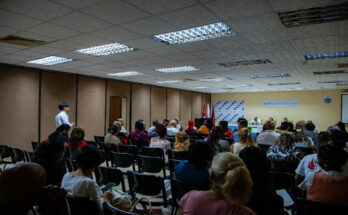
Cuba’s Day of Sport and Physical Culture, observed every November 19, has a long history rooted in a moment of collective determination and strategic unity. The date commemorates a turning point when the nation first proclaimed that sport is not just a leisure activity but a public right and a civic duty. On November 19, 1961, a plenary session led by Fidel Castro gathered representatives of the Voluntary Sports Councils and physical education activists, combining grassroots enthusiasm with state support.
There the Commander-in-Chief set out a simple yet powerful principle: sport is a right of the people. This declaration did more than honor athletes; it changed how a society views health, education, and national development. The 1961 gathering reflected a broader revolutionary aim: to democratize access to physical culture and athletic opportunity. In the early years after the Cuban Revolution, the state made organized physical activity a priority as a means of education, social cohesion, and national resilience.
The plenary session emphasized the idea that every citizen—young and old, urban and rural, deserves the space, resources, and guidance to take part in sport. This view matched Cuba’s wider goals of literacy, public health, and social mobilization, weaving a fabric in which physical education was not optional but part of daily life. Turning sport from an extracurricular pastime into a civic entitlement demanded concerted effort and organizational depth.
The Voluntary Sports Councils, drawn from local communities and youth organizations, were essential in spotting talent, coordinating youth leagues, and encouraging steady participation. Physical education activists worked to bring sport into school curricula, recreational programs, and community centers. The goal was not only to win medals but to build discipline, teamwork, and a sense of collective responsibility.
In this sense, the Day of Sport and Physical Culture became a symbol of national solidarity, an annual reminder that physical well-being and athletic achievement are shared responsibilities and public goods. The formal designation of November 19 as the Day of Sport and Physical Culture came in 1985, when the Council of State made the celebration official. This decree recognized the lasting importance of sport in Cuban life and set down a public commitment to continued participation, training, and infrastructure.
The designation reinforced the message that sport serves several purposes: it improves health, advances social equity, supports education, and strengthens the country’s international presence. Across communities, celebrations reflect these aims through a mix of formal ceremonies, youth demonstrations, and local competitions that stress inclusion and opportunity for all. In practice, the Day of Sport and Physical Culture is a rich array of events that show Cuba’s distinctive relationship with physical activity.
Schools hold fitness weeks, inter-school championships, and open days when families visit sports facilities. Community centers host clinics, amateur leagues, and demonstrations that display talent from different age groups and backgrounds. The media spotlight success stories that show perseverance, leadership, and the transformative power of sport in everyday life. These activities are meant to foster a culture in which physical education is not a special occasion but a regular, valued habit. Beyond the celebrations, the underlying ethos remains clear: sport is a right that reflects a societal commitment to equity, health, and shared progress.
Together, the 1961 plenary session and the 1985 decree tell the story of how a nation can transform sport into a vehicle for education, empowerment, and resilience. They remind Cubans that physical culture is not a luxury reserved for a few but a responsibility shared by many. In this sense, November 19 stands as both a historical milestone and a continuing invitation—to take part, to strive, and to build a healthier, more united society through sport.