Cuba marks the International Day of Older Persons with a mix of community-oriented programs, cultural events, and official recognition that reflects the country’s long-standing emphasis on social welfare. The day, observed on October 1, becomes a lens to see how Cuban society supports its aging population through social services, family networks, and public life.
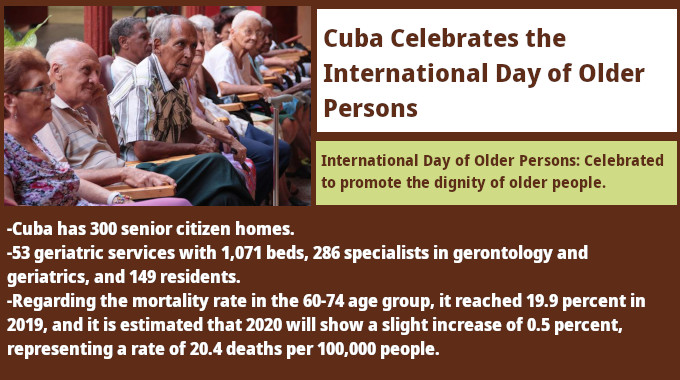
Community centers known as Casa de Abuelos or senior centers play a central role. These hubs offer a space for older people to gather, share meals, take part in dances, take classes, and receive basic health services. The centers are often run with input from local communities and, in many cases, with oversight from municipal health departments. They provide a sense of belonging and routine, helping to counter loneliness and isolation that can come with age. On this day, activities are typically broader and more festive, with special programming designed to honor the elderly.
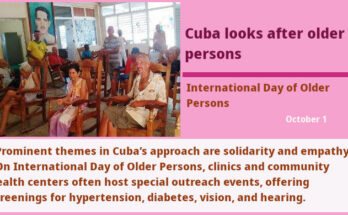
Health care is a cornerstone of Cuba’s approach to aging. The country’s public health system emphasizes preventive care and primary clinics, many of which actively reach out to older residents. On or around October 1, there are often health fairs or check-up campaigns specifically aimed at seniors, offering screenings for hypertension, diabetes, vision, and dental health. Community health workers, known as brigadas de salud (health teams), may visit homes to ensure that older people are receiving appropriate care and to assist with medication management. The emphasis is on accessible, no-cost care that aligns with Cuba’s universal health model.
Social programs that support older Cubans extend beyond health. Pension systems, while modest by international standards, provide a predictable income that helps many seniors meet basic needs. The government has historically tied social security to broader social guarantees, such as subsidized housing and access to cultural and educational activities. On International Day of Older Persons, municipalities often spotlight these programs, highlighting how they keep aging citizens financially stable and socially included.
Cultural celebrations are a hallmark of Cuba’s observance. Music, dance, and storytelling are woven into the day’s events, acknowledging the lifelong role older adults have played in family life and community. Community centers may host performances featuring local musicians, traditional dances, or poetry readings that give seniors a platform to share their memories and wisdom. In many neighborhoods, elders are asked to participate in panel discussions or school visits, bridging generations and reinforcing the value placed on experience and resilience.
Family remains a crucial pillar of care in Cuban society. Even with strong state-provided services, extended families often take on significant responsibility for daily supervision, meals, and companionship. The International Day of Older Persons can serve as a reminder of the collaborative effort between family, community centers, and health services that sustains seniors. In urban areas, where life can be fast-paced, these family networks provide both practical support and emotional grounding.
Education and lifelong learning also figure into the celebrations. Universities, cultural centers, and libraries may offer talks, workshops, or open days where older adults are invited to engage with new ideas, technology, or regional history. This emphasis on continued learning reflects a broader social goal: to keep older citizens active, informed, and connected to contemporary life.
The day is also an occasion for policymakers to reflect on challenges facing the aging population. Cuba faces questions common to many aging societies—balancing limited resources with growing needs, ensuring housing and mobility, and maintaining quality of life for seniors in both urban and rural areas. Public discussions and media coverage around October 1 can spotlight initiatives to improve elder care, transport accessibility, and digital inclusion, recognizing that the well-being of older people depends on a coordinated approach across health, social services, and community life.
Cuba’s celebration of the International Day of Older Persons is less about grand spectacles and more about practical, community-driven support. It spotlights the blend of public health, social services, family care, and cultural engagement that shapes aging in Cuban society. The day reinforces a shared message: that aging is a valued stage of life, worthy of attention, respect, and concrete support.