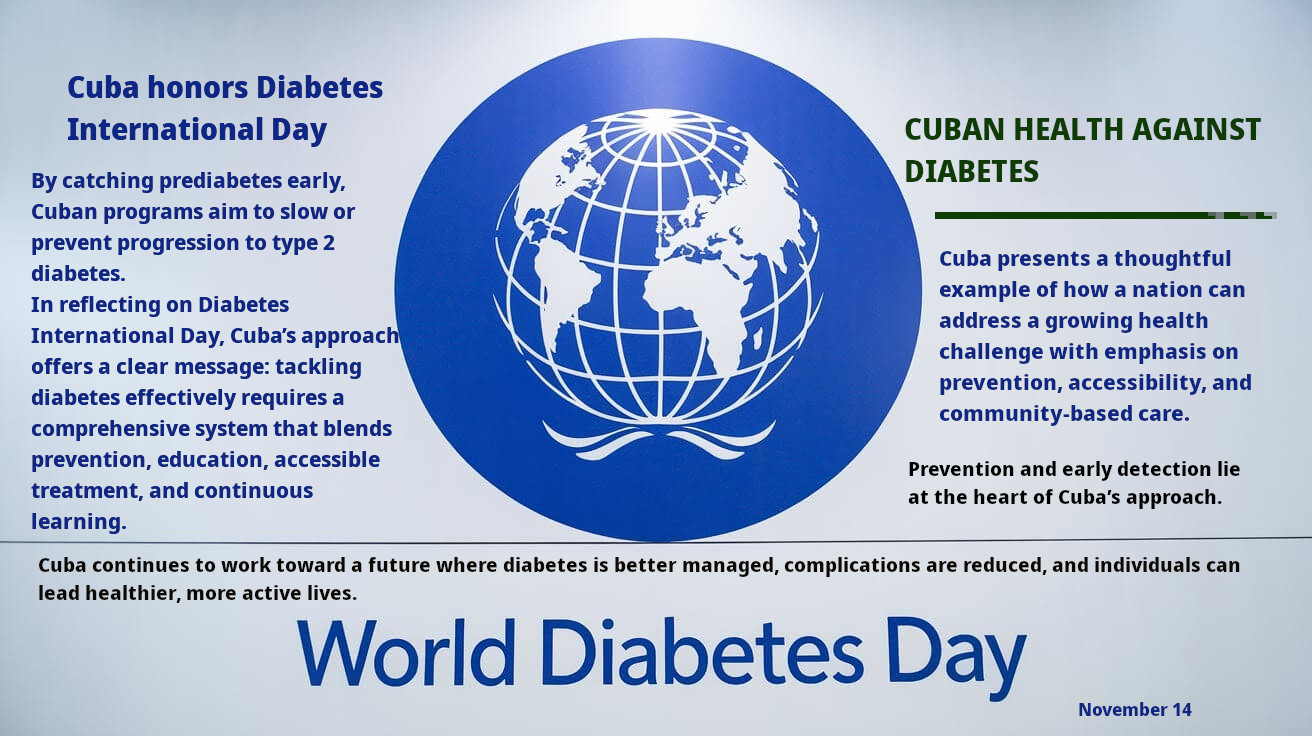
On Diabetes International Day, Cuba presents a thoughtful example of how a nation can address a growing health challenge with emphasis on prevention, accessibility, and community-based care. Across public health campaigns, primary care reform, and state-supported research, Cuba demonstrates how a country with limited resources can still make meaningful strides in reducing the burden of diabetes on its people.
Prevention and early detection lie at the heart of Cuba’s approach. The health system relies on a robust network of community physicians who work in close contact with neighborhoods and families. Regular screening for risk factors such as obesity, high blood pressure, and elevated blood glucose helps identify individuals who are at risk before symptoms appear. This proactive stance, integrated into primary care, allows for timely lifestyle interventions, nutritional counseling, and education about exercise and healthy eating. By catching prediabetes early, Cuban programs aim to slow or prevent progression to type 2 diabetes.
Patient education is a central pillar. Diabetes management requires daily choices that affect long-term outcomes. Cuban health campaigns emphasize practical guidance—balancing meals, portion control, and incorporating affordable, locally available foods. Community centers and clinics offer workshops led by trained healthcare workers, dietitians, and educators who tailor advice to each person’s circumstances. In many regions, family involvement is encouraged, recognizing that support at home enhances adherence to treatment plans and lifestyle changes.
Treatment access and affordability are essential in a country with a strong emphasis on universal care. Insulin, monitoring devices, and essential medications are provided through state channels, reducing the financial barriers that patients might face. The emphasis is not only on prescribed medications but also on affordable tests and supplies, such as glucose meters and test strips. This approach ensures that people can monitor their condition regularly, adjust their routines, and seek care promptly when needed.
Rehabilitation, physical activity, and community engagement receive steady attention. National and local programs promote safe physical activity, including walking groups, dance classes, and community sports. Such activities help individuals manage weight, improve insulin sensitivity, and lower cardiovascular risk, key factors in diabetes care. By building a culture that values movement and healthy living, Cuba seeks to reduce the incidence of complications and improve quality of life for those living with diabetes.
The integration of research with practice strengthens Cuba’s diabetes response. Cuban scientists have conducted studies on nutrition, metabolic health, and the effectiveness of community-based interventions. The country also collaborates internationally on diabetes research, contributing to a broader understanding of how lifestyle, genetics, and environment interact in the disease. This commitment to evidence-based policy ensures that programs adapt to new findings and continue to meet the population’s needs.
Lastly, the focus on equity ensures that vulnerable groups receive attention. Rural areas, older adults, and people with limited means often face greater health risks. By bringing services to communities through mobile clinics, simplifying referral pathways, and providing targeted education, Cuba strives to close gaps in care. The aim is to prevent disparities in diabetes outcomes and to ensure that all citizens have access to the information and tools necessary to manage their health.
In reflecting on Diabetes International Day, Cuba’s approach offers a clear message: tackling diabetes effectively requires a comprehensive system that blends prevention, education, accessible treatment, and continuous learning. While every country faces its own challenges, the Cuban model highlights how strong primary care, community involvement, and a commitment to universal access can create tangible improvements in the lives of people with diabetes. By maintaining these efforts, Cuba continues to work toward a future where diabetes is better managed, complications are reduced, and individuals can lead healthier, more active lives.