With the primary objective of strengthening the prevention of and response to drug-related illicit activities, and ensuring a permanent, increasingly effective, and comprehensive operational framework—agencies within the Ministry of the Interior, the General Customs of the Republic, and other government bodies have been coordinating their efforts. Since last September, this has involved the intensification of specific joint operations.
Drawing on multi-faceted policies that have proven effective in Cuba for over 65 years—and incorporating lessons from the “Operación Coraza Popular” (Popular Shield Operation) of January 2003, while also addressing current internal and external challenges—nationwide efforts have led to the arrest of more than 250 individuals currently under investigation.
According to the Ministry of the Interior, those detained include traffickers, street-level dealers, individuals who scavenge for washed-up drug shipments (recalos), and cultivators; several drug users linked to these activities were also identified. Furthermore, 15 “crack houses”—locations used for the consumption of crack cocaine and, to a lesser extent, synthetic cannabinoids—were dismantled, primarily in Havana and other high-risk or complex areas.
During this period, authorities successfully neutralized traffickers who were operating in challenging environments. These individuals were repeat offenders in the drug trade, served as support bases for Cuban organizers based abroad, or were involved in the illicit recovery of washed-up drug shipments; their activities spanned the capital, Matanzas, and Granma.
The investigations have resulted in the seizure of various drugs, including marijuana, cocaine, crack, and methamphetamine. However, the largest quantities seized consist of synthetic cannabinoids, which are currently being distributed in forms such as treated leaves, strips, and small paper packets.
In the course of these enforcement actions, more than 8,000,000 Cuban pesos have been seized. A sum exceeding 35,000 dollars and 650 euros, as well as two cars, seven motorcycles, and paraphernalia associated with the activity.
To enhance the effectiveness of detection at air borders by personnel from the General Customs of the Republic and the Ministry of the Interior, specialized training for these forces has been strengthened. Efforts have been intensified regarding the analysis of advance information, the identification of and response to high-risk flights—prioritizing those arriving from countries in the region with the highest incidence of such incidents—and specialized oversight of air cargo, given its susceptibility to being used for the smuggling of drugs.
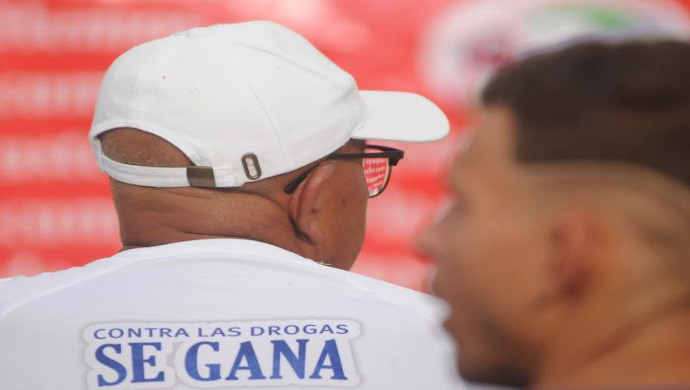
In line with a “zero tolerance” policy and the firm conviction that the fight against drugs can be won, operations against this scourge continue throughout the country and at our borders. Success in this endeavor requires the contribution of everyone, greater coordination among all relevant stakeholders, and steadfast commitment to both prevention and enforcement.