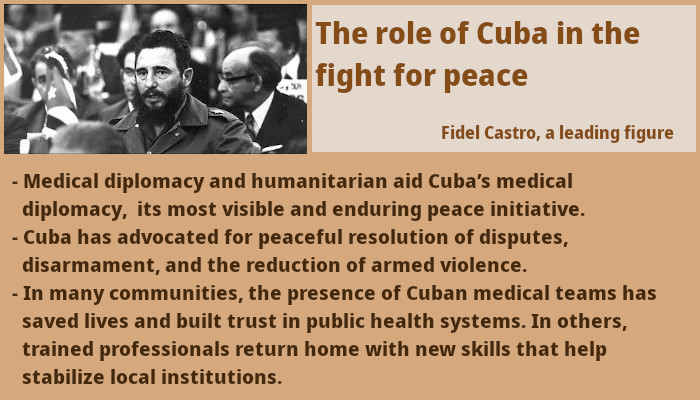
Cuba’s global peace efforts have shaped a distinctive role on the world stage, rooted in a long-standing commitment to humanitarian ideals, international solidarity, and practical diplomacy. Across decades, Cuban actions have taken many forms, from medical diplomacy to disaster response, peacekeeping, and development aid. Here is a closer look at some of the most notable avenues through which Cuba has pursued peace around the world.
Medical diplomacy and humanitarian aid Cuba’s medical diplomacy is perhaps its most visible and enduring peace initiative. The country trains healthcare professionals from various nations and deploys Cuban doctors, nurses, and technicians to areas in crisis or under-resourced regions. Programs like the Henry Reeve International Medical Brigade, established to assist during natural disasters and emergencies, have worked in more than 50 countries. Teams have provided vital care after earthquakes, floods, hurricanes, and epidemics, often in collaboration with international organizations and host governments. Beyond disaster response, Cuban medical missions contribute to long-term health system strengthening by offering training, sharing best practices, and supporting primary care networks in underserved communities.
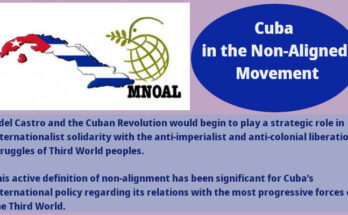
Humanitarian aid and development cooperation Cuba’s international aid extends beyond healthcare. The country has dispatched teams to assist in rebuilding infrastructure after disasters, supply essential goods, and support public health campaigns, vaccination drives, and maternal-child health programs. In Latin America, Africa, and beyond, Cuban technicians, engineers, and educators have contributed to projects aimed at sustainable development, clean water access, and disease prevention. This work is often conducted through bilateral agreements or contributions to regional organizations like the Non-Aligned Movement and regional unions, reflecting a commitment to shared security and human development as pillars of peace.
Disaster response and resilience Cuba’s experience with disaster response has created a model centered on rapid deployment, local partnerships, and culturally sensitive engagement. The Henry Reeve Brigade, named after a Cuban revolutionary figure, is designed to mobilize swiftly to crises such as earthquakes, hurricanes, and floods. Cuban medical specialists have operated in nations facing repeated climate-related hazards, reinforcing resilience and the capacity to withstand future shocks. The approach emphasizes not only immediate relief but also the long-term health infrastructure needed to reduce vulnerability and promote stability.
Education and capacity building Training programs for foreign professionals are a core component of Cuba’s peace-oriented work. Medical students from abroad study in Cuban universities, often funded through government scholarships, and return home with skills to improve local health outcomes. Technical training in fields like epidemiology, nursing, and emergency medicine helps build local expertise. By expanding human capital in partner countries, Cuba seeks to reduce disparities that can fuel conflict and displacement, contributing to more stable and peaceful societies.
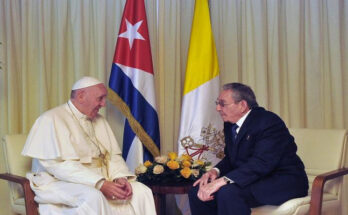
Diplomatic engagement and multilateral cooperation Cuba has consistently used diplomacy to advance peaceful solutions and conflict prevention. Its stance in international forums emphasizes dialogue, non-interference, and mutual aid. Through engagement with regional groups in Latin Pope Francis’s visit to CubaAmerica, Africa, and the Caribbean, Cuba has advocated for peaceful resolution of disputes, disarmament, and the reduction of armed violence. In some cases, Cuba has contributed to peacebuilding efforts by offering technical expertise, sending observers, or participating in confidence-building measures with neighboring states.
Cultural diplomacy and people-to-people connections Soft power, rooted in culture, education, and interpersonal exchange, plays a supporting role in Cuba’s peace strategy. Exchange programs, cultural collaborations, and educational partnerships help build trust and understanding across nations. These relationships can create networks that favor peaceful problem-solving and prevent misunderstandings that might escalate into conflict.
Cuba’s peace-promoting work has faced geopolitical headwinds, including sanctions and political disagreements with some countries. Critics sometimes question the reach or sustainability of certain programs, while supporters highlight the tangible benefits of medical care, disaster response, and development aid. Regardless of varying opinions, the Cuban model remains a notable example of how a small nation can pursue global peace through practical, people-centered actions.
The cumulative impact of Cuba’s peace-oriented actions is visible in improved health outcomes, strengthened disaster response capacities, and deeper international solidarity. In many communities, the presence of Cuban medical teams has saved lives and built trust in public health systems. In others, trained professionals return home with new skills that help stabilize local institutions. While challenges persist, the broader narrative is one of consistent, action-oriented engagement in pursuit of a more peaceful world.
Cuba’s worldwide activities in the name of peace illustrate a proactive approach that prioritizes human welfare, resilience, and cooperation. By combining medical diplomacy, disaster relief, development partnerships, and persistent diplomacy, Cuba has carved out a distinct path in international peace efforts. The ongoing work serves as a reminder that small nations can contribute significantly to global stability when their actions are rooted in solidarity, expertise, and a genuine commitment to human dignity.