
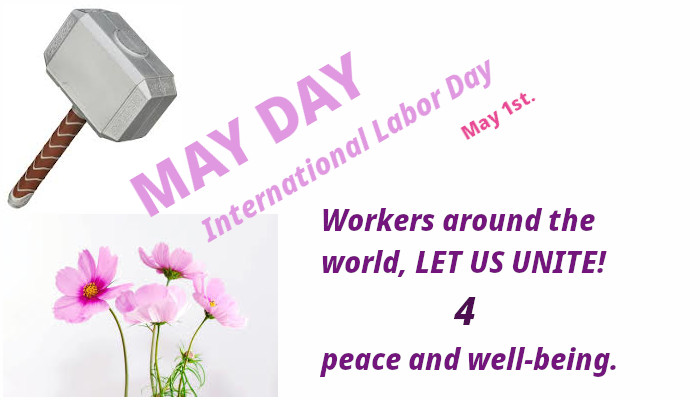
May Day, observed on May 1st every year, is a significant occasion that embodies the spirit of labor rights, springtime renewal, and cultural festivities. Its roots stretch deep into history, intertwining ancient traditions with modern social movements. Celebrating May Day is important for several reasons, each reflecting the diverse meanings that this day holds in various cultures around the world.
The origins of May Day can be traced back to ancient agricultural practices, where communities celebrated the arrival of spring. In many cultures, it marked a time for planting and rejuvenation. For example, the ancient Romans celebrated Floralia, a festival dedicated to Flora, the goddess of flowers and spring. These early festivities emphasized fertility, renewal, and community bonding, which still resonate today.
However, May Day is perhaps most prominently recognized as International Workers’ Day, a day dedicated to celebrating labor rights and the achievements of workers. The association with labor movements originated in the late 19th century, particularly linked to the Chicago Haymarket affair of 1886, when workers rallied for an eight-hour workday. This event catalyzed a global movement advocating for workers’ rights, making May Day a powerful symbol of solidarity among laborers.
In contemporary society, May Day serves as an essential reminder of the ongoing struggles faced by workers across the globe. Celebrating this day highlights the significant gains made in labor rights, such as fair wages, safe working conditions, and reasonable hours. However, it also emphasizes the work that remains to be done in addressing issues like exploitation, inequality, and insufficient protections for workers.
By commemorating May Day, we acknowledge those who fought tirelessly for labor rights and continue to advocate for fair treatment in the workplace. The day acts as a rallying point for social justice, uniting workers to demand better conditions and celebrate their achievements.
In addition to its political significance, May Day is marked by various cultural customs and festivities around the world. In many European countries, it is celebrated with vibrant parades, music, dancing, and traditional Maypole dances, where participants weave ribbons around a tall pole, symbolizing unity and community spirit.
For instance, in the United Kingdom, people traditionally welcome May Day with early morning gatherings at locations like Stonehenge, celebrating nature and the changing seasons. These festivities foster a sense of community and connection, bringing people together to celebrate the joys of life and the natural world.
In recent years, May Day has also evolved into a platform for environmental activism. As climate change issues escalate, many use this day to advocate for sustainable practices and raise awareness about ecological preservation. The connection between labor rights and environmental stewardship is gaining traction, emphasizing that protecting the planet is crucial for ensuring a fair and just future for all workers.
Celebrating May Day with an environmental lens encourages a holistic approach to social justice, recognizing that workers, particularly in industries like agriculture and manufacturing, are deeply affected by ecological degradation. Thus, May Day becomes an occasion to advocate for a sustainable future alongside labor rights.
Celebrating May Day goes beyond mere tradition; it is a powerful acknowledgment of historical struggles, a celebration of community, and a reminder of the ongoing fight for workers’ rights and environmental justice. From its ancient roots to its modern significance, May Day serves as a platform for advocacy, solidarity, and festivity. As we honor this day, we recognize the interconnectedness of our societies and the shared responsibility we hold in promoting justice, equity, and sustainability for all.