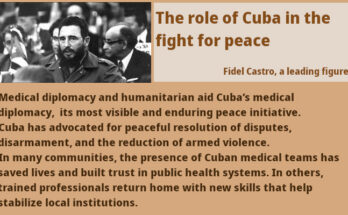
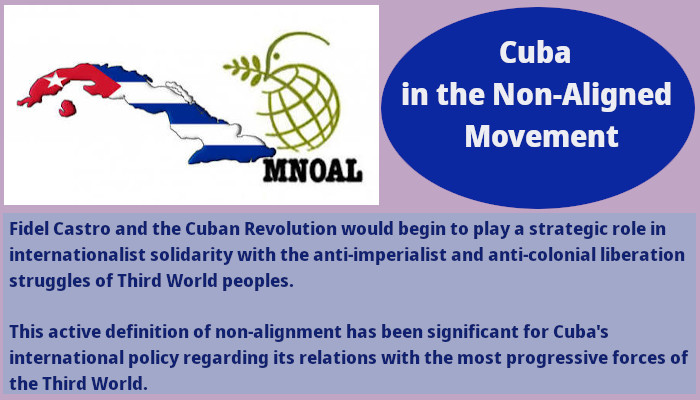
Cuba played a crucial and frequently undervalued part in the Movement of the Non-Aligned Countries (NAM), a coalition that arose from the wish to be independent of Cold War blocs and to seek a course free from direct domination by superpowers. Starting in the 1960s, Cuba drew on its own revolutionary experience and internationalist commitments to influence NAM’s agenda, principles, and concrete actions. Its contributions can be seen through leadership, acts of solidarity, and practical diplomacy.
Cuba’s rise as a prominent voice within NAM stemmed from its revolution and its opposition to colonialism and imperialism. Following 1959, Cuba declared itself part of a wider struggle for sovereignty and social justice, joining forces with nations pursuing self-determination. This position struck a chord with numerous newly independent states across Africa, Asia, and Latin America. Cuba’s language of dignity, sovereignty, and anti-imperialism resonated strongly with NAM’s charter, which advocated mutual respect, non-alignment with the major power blocs, and the right of every nation to pursue development on its own terms.
Cuba’s active involvement helped African liberation movements gain visibility and legitimacy on the world stage. Cuban medical teams, military advisors, and educational programs projected its soft power beyond ideology. In Africa, Cuba backed independence movements, provided technical assistance, and helped with post-colonial stabilization in countries such as Angola, Mozambique, and the Congo. This hands-on solidarity strengthened NAM’s fundamental principle that the fight for independence and development was linked across continents. Cuba’s involvement in African diplomacy showed that a foreign policy built on solidarity rather than punitive alignment was possible.
On the other hand, Cuba promoted South–South cooperation as a central NAM strategy. By putting solidarity among developing nations first, Cuba helped turn NAM from a loose gathering of like-minded states into a coherent platform for negotiating with both the Western and Soviet blocs. Cuba’s leadership in regional associations, its role in joint statements, and its readiness to share scarce resources, including medical aid, technical expertise, and cultural diplomacy, embodied NAM’s vision of mutual assistance. This approach motivated other members to undertake collaborative development projects, press for fairer terms in international trade, and seek greater representation in global institutions.
Cuban diplomacy added to NAM’s focus on peaceful coexistence and non-interference, while still taking moral stands on international issues. Cuba consistently upheld sovereignty, denounced colonialism, and called for peaceful resolutions to conflicts. This position frequently matched NAM’s appeal for non-alignment, encouraging states to forge independent paths amid growing pressure from the United States and the Soviet Union. At the same time, Cuba did not shy away from principled positions on human rights and anti-colonial struggles, balancing respect for sovereignty with backing for movements seeking self-determination.
Domestic and international circumstances shaped Cuba’s leadership within NAM. The Cuban revolution provided a model of social reform, literacy campaigns, and health programs that inspired many NAM members. Cuba’s leadership style, often marked by direct, hands-on diplomacy, allowed it to rally support quickly and present a clear narrative of independence and development. Yet Cuba’s own economic difficulties and limited resources sometimes restricted what it could do.
Nevertheless, its readiness to share what it could and to stand alongside other developing nations helped keep NAM going through crucial periods of the Cold War.It is also important to acknowledge the complexities and criticisms surrounding Cuba’s role in NAM. Some members saw Cuba’s actions as motivated by its own revolutionary aspirations, while others appreciated its solidarity and concrete assistance. The NAM movement was itself imperfect, juggling a range of political ideologies, regional ambitions, and varying levels of development. Cuba’s participation brought a unique voice that stressed moral clarity, solidarity, and the practical realities of cooperation between states.
Over the long course of NAM’s history, Cuba’s influence faded as geopolitical conditions changed and the movement took on new forms of dialogue and cooperation. Still, the mark of Cuban diplomacy, its focus on independence, mutual assistance, and regional leadership, served as a benchmark for numerous member states. Even now, scholars and policymakers recall Cuba’s NAM years as a time when a small nation, through unwavering dedication and concrete acts of solidarity, helped sustain a vision of a world where countries could chart their own development without bowing to superpower demands.
Cuba’s part in the Movement of the Non-Aligned Countries was one of principled leadership, practical solidarity, and strategic diplomacy grounded in a shared conviction that dignity, sovereignty, and collaborative development ought to shape international relations. Its contributions helped maintain NAM’s relevance through difficult decades, strengthening a legacy of mutual aid and independent action that still informs debates on global governance and decolonization.