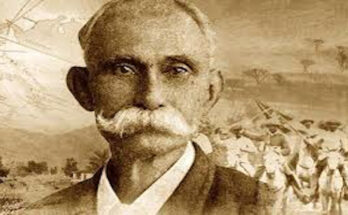

Generalísimo Máximo Gómez, who was born on November 18, 1836 in the Dominican Republic, was a key figure in Caribbean and Cuban history, celebrated for his military leadership and strategic genius. His contributions are most strongly associated with Cuba’s struggle for independence from Spanish colonial rule in the late 19th century, although his early life and career took him across several countries and conflicts.
Early life and career Gómez was born in Bajan, a small town in the Dominican Republic. He received his military training in the Dominican army and earned a reputation for discipline, experience, and familiarity with modern European warfare. His Dominican birth gave him a regional outlook, yet his abilities soon took him beyond national boundaries.
Role in Cuba’s War of Independence Gómez is chiefly remembered for his leadership in the Cuban War of Independence (the Ten Years’ War had ended, and the struggle went on through new phases). He joined the Cuban forces in the 1890s and rose rapidly to prominence thanks to his strategic thinking and skills in the field. As a senior general, he helped organize and lead military campaigns against Spanish forces.
Military leadership and strategies – Guerrilla tactics: Gómez stressed mobile, fast-moving units able to strike and withdraw, making use of the terrain and keeping supply lines with minimal risk. – Fortified positions and raids: He employed fortified lines, hit-and-run attacks, and well-timed offensives to disrupt Spanish control and raise morale among Cuban rebels. – Training and organization: He concentrated on professionalizing the troops, drilling them, and standardizing equipment and procedures, which made the revolutionary army more efficient. – Coordination with allies: Gómez collaborated with other Cuban leaders, among them José Martí’s political leadership and Antonio Maceo’s military command, to align efforts and keep up momentum.
Gómez’s conduct of operations fostered a growing sense of national identity and unity among Cuban rebels. His leadership helped keep the fight going through difficult periods, and his strategic calculations helped exhaust Spanish resources. Though he was not the only architect of victory, Gómez’s role as a capable and respected commander won him lasting admiration in the history of Cuba’s struggle for independence.
Death and remembrance Máximo Gómez died in 1905, leaving a legacy as one of the most influential military minds of the Cuban independence movement. His name is frequently mentioned together with other founding figures who shaped Cuba’s road to sovereignty. In both the Dominican Republic and Cuba, Gómez is remembered as a symbol of regional solidarity and the enduring struggle for freedom.