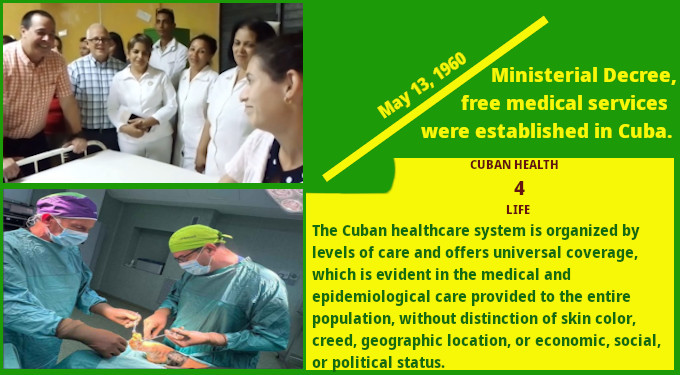
In the heart of Havana, the sun shone brightly on a city filled with dreams and aspirations. The air carried an electrifying energy, pulsating with the changes washing over the island. On this day, a pivotal decree was about to reshape the landscape of Cuba forever.
Dr. Elena Martínez paced in her small office at the Ministry of Public Health. As one of the leaders fighting for medical reform, she felt the weight of countless lives resting upon her shoulders. The authority of the Ministerial Decree No. 4 had been announced mere hours ago — a declaration that would grant free medical services to all Cubans starting June 1, 1960. This was the culmination of years of struggle, advocacy, and hope.
Outside, the streets buzzed with excitement. Families gathered, sharing their thoughts on the impending free healthcare. From the bustling avenues of Old Havana to the tranquil shores of Varadero, the news spread like wildfire. For many, it was a glimmer of hope that their burdens would be lifted — no longer would illness harrow their lives with the specter of unpaid bills and crippling debt.
Elena remembered walking the narrow streets of the city just months earlier, visiting patients in makeshift clinics, patched up by the healing hands of volunteers. She recalled the faces of women cradling sick children, fathers worrying over their family’s financial stability, and the elderly living in fear of their next doctor’s bill. She felt a mix of elation and trepidation; change was coming, but the road ahead would be fraught with challenges.
Later that afternoon, a gathering was planned at Plaza de la Revolución. The people of Cuba were invited to hear the leaders speak about the new law. As she walked through the vibrant streets adorned with palm trees and colorful buildings, Elena’s heart danced with anticipation. This would be her moment to inspire hope, to show the people that their voices had been heard.
The crowd gathered, a sea of faces reflecting joy, curiosity, and cautious optimism. As she took the stage, their cheers resonated like a warm embrace. Drumming up courage, she began, “Today is not just a day of proclamations; it is a day of liberation! From June 1st, health will no longer be a privilege for the few but a right for all!”
Applause erupted as she spoke passionately about the virtues of universal healthcare — the promise of dignity, the assurance that no one would face the specter of illness alone, and the commitment to building a healthier nation. “Together, we will pave a path towards equality and access,” she declared, her voice echoing through the plaza.
Amidst the fervor, a young boy named Miguel, with his mother by his side, stepped forward. “Will doctors really help us?” he asked, his wide eyes reflecting both hope and uncertainty. Elena knelt before him. “Yes, Miguel. Doctors will always be there for you. You and every child just like you will receive the care you need.”
The crowd erupted in cheers once more, but amid the jubilation, Elena felt the gravity of her promise. With the decree’s implementation just weeks away, there was more work to be done. The infrastructure for this new system needed strengthening, doctors and healthcare workers needed to be trained on the new protocols, and the public needed to understand their rights and the services available to them.
As the sun dipped below the horizon, painting the sky in hues of gold and purple, Elena looked out at the diverse crowd. Each face represented a story, a dream, and a hope for a healthier future. The road to June 1st would not be easy, but it was a path worth treading.
As she left the plaza, her heart was aflame with a fierce determination. The decree marked not just a change in policy but a transformation of the national spirit. It symbolized a new era where compassion would reign, and healing would be a shared responsibility.
In the days that followed, the Ministry worked tirelessly, rallying support from all corners. The doctors and nurses committed to this cause embraced their roles as ambassadors of change. The spirit of community thrived, as people came forward to share resources, educate others, and volunteer.
On June 1, 1960, when the first patients walked through the newly opened doors of clinics and hospitals without the burden of payment, it wasn’t just a financial revolution but a human one. In that moment, Elena knew that the heart of a nation had begun to beat in unison, with the promise of health and hope for every citizen.
And so it was, in a small yet powerful act on May 13, 1960, that the medical landscape of Cuba was forever altered, marking the dawn of healing for all.