History, necessity, and social priorities all influence Cuba’s relationship with science. The island has established a unique paradigm that connects scientific endeavors to national objectives, from early investments in public health to focused advancements in biotechnology and sustainable agriculture. Despite scarce resources, this strategy has had remarkable successes, but it has also brought to light conflicts between political limitations and the push for creativity.
A emphasis on public health and historical roots Following the 1959 revolution, the Cuban government focused on literacy, universal education, and healthcare as cornerstones of social progress. Significant efforts aimed at literacy improvement and the expansion of primary and secondary education resulted in a large pool of scientifically literate and technically skilled individuals.
The public health system in Cuba became both a social achievement and a scientific platform, with extensive epidemiological surveillance, preventative medicine, and community-based treatment enabling the nation to attain health outcomes comparable to more developed nations. By investing in medical education, there was an overabundance of physicians, which allowed for international medical missions and improved research in tropical medicine, vaccine science, and epidemiology.
Biotechnology and the pharmaceutical industry are considered to be national assets. In the face of economic isolation and restricted access to international markets, Cuba focused its scientific workforce on biotechnology and pharmaceutical development. Vaccines, therapeutic proteins, and monoclonal antibodies were created by organizations like the Finlay Institute and the Center for Genetic Engineering and Biotechnology (CIGB).
Cuban scientists have created local vaccines against illnesses like meningococcal B and have worked on treatments for cancer and diabetes. These initiatives show a sensible, problem-focused approach to science: research agendas are aligned with national health demands and resources, prioritizing translational work that translates quickly from the lab to the clinic.
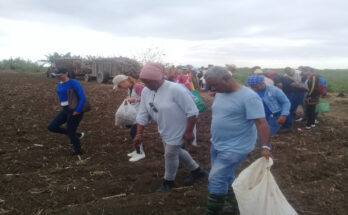
Sustainability and agricultural science Due primarily to fuel shortages and changing trade patterns, particularly following the demise of the Soviet Union in the 1990s, agriculture in Cuba underwent a transformation. The crisis led to advancements in soil conservation, low-input cropping systems, and organic and urban farming. Agroecological practices, seed selection suited to local circumstances, and pest management strategies that lessen chemical dependence were all encouraged by extension programs and research facilities. These methods improved food resilience and showed how scientific knowledge can be applied to resource-limited settings.
education, capacity development, and international collaboration Cuba has maintained a large educational system that still turns out engineers, doctors, and technicians. International collaborations, especially with Latin American and African partners, have broadened research networks, while government scholarships and training programs have increased access. Cuban institutions establish soft-power ties and a flow of knowledge that overcomes economic constraints by participating in collaborative initiatives, exchanging knowledge through medical missions, and welcoming international students.
Restrictions and contradictions Cuba’s scientific sector has major limitations despite its advantages. Some areas of study are hampered by chronic underfunding, limited availability of current scientific literature, and restricted access to modern instruments and reagents.
Academic independence can be hampered by bureaucratic and political oversight, which can also limit research to government-defined priorities and restrict cooperation with specific foreign partners. The global reach of Cuban innovations is constrained by the lack of development in commercialization routes and intellectual property protection.
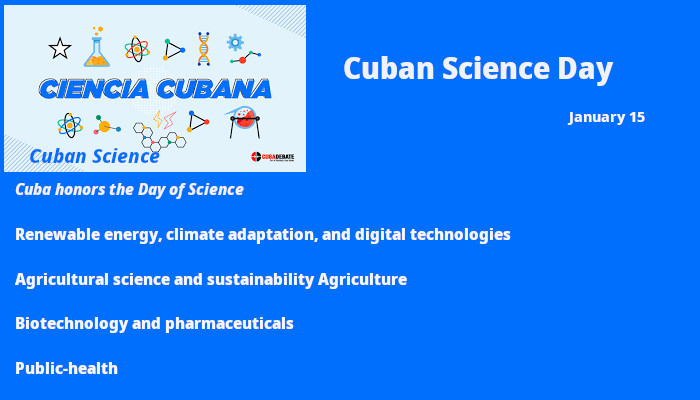
Recent advancements and future prospects Cuba has made investments in recent years in upgrading its research infrastructure and looked for new export markets for itAt the same time, increasing attention to climate change adaptation, renewable energy, and digital technologies suggests that there are bigger scientific priorities that go beyond agriculture and health.s biotechnology goods. Cuba’s ability to conduct quick, applied research has been on display throughout the development of vaccine candidates and therapeutic strategies during global health emergencies.
Cuba employs science in a practical and socially conscious manner: It directs scarce resources into areas with immediate societal impact, such as health and sustainable agriculture. This paradigm has produced outstanding outcomes and established a unique scientific atmosphere. In order to realize its full potential,
Cuba will need reforms that strike a balance between national priorities, academic freedom, and entrepreneurship, as well as continued investment and increased access to international markets and scientific networks. Maintaining the strengths of Cuba’s public-oriented science while removing barriers that hinder creativity and cooperation is the way forward.