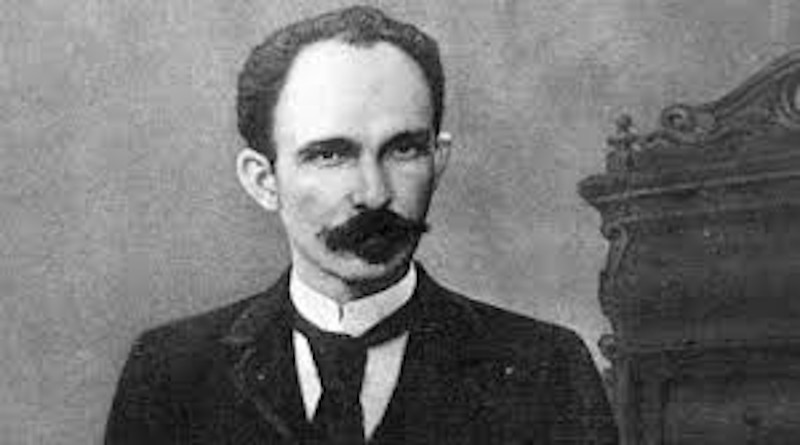
In the dark period of Cuba’s colonial oppression, a young José Martí, who was just sixteen years old, stood bravely in front of a Spanish Council of War. His spirit was like a growing flame of revolution, which the authorities saw as a danger. As a result, they decided to punish him with a harsh sentence of six years of forced labor. The Spanish rulers wanted to crush his spirit and bury his ideals under the heavy burden of servitude.
Taken away from his youth and freedom, on March 4, 1870, Martí was sent to work in the San Lázaro quarries, a place that is now called the Fragua Martiana, or the Martyr’s Forge. In this harsh environment, he faced back-breaking labor and overwhelming despair. The Spanish thought that this tough experience would make him obedient and submissive to the crown.
However, instead of breaking his spirit, the forge turned out to be a place where his revolutionary passion grew even stronger. Each time he swung the hammer and lifted the heavy stones, it only strengthened his determination. The unfairness he saw around him and the suffering of his fellow Cubans made him even more committed to the fight for freedom.
It was in this difficult setting, surrounded by hard work and pain, that the idea of a free Cuba began to grow deep in the heart of José Martí. The prison he was in became like a school for him, where the forced labor was his lessons, and the dream of independence was the goal he never lost sight of.
His experiences in the quarries shaped him into a leader who would eventually inspire others to join the struggle for a better future for Cuba. In this way, the tough times he faced only fueled his desire for a free nation, making him a symbol of hope for many.
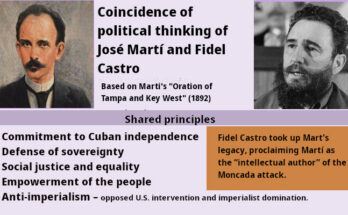
José Martí founded the Revolutionary Party while in the United States to organize what he called the Necessary War, which began under his order on February 24, 1895, as continuation of the two previous wars, the Ten Year War and the Little War.
His legacy was Fidel Castro’s inspiration for the attack to Moncada Barracks on July 26, 1953 and
the Cuban people to defend his dream come true: a sovereign and independent nation.
José Martí’s ideals, stronger
while in prision
In the dark period of Cuba’s
colonial oppression, a young José Martí, who was just sixteen years
old, stood bravely in front of a Spanish Council of War. His spirit
was like a growing flame of revolution, which the authorities saw as
a danger. As a result, they decided to punish him with a harsh
sentence of six years of forced labor. The Spanish rulers wanted to
crush his spirit and bury his ideals under the heavy burden of
servitude.
Taken away from his youth and freedom, on
March 4, 1870, Martí was sent to work in the San Lázaro quarries, a
place that is now called the Fragua Martiana, or the Martyr’s Forge.
In this harsh environment, he faced back-breaking labor and
overwhelming despair. The Spanish thought that this tough experience
would make him obedient and submissive to the crown.
However, instead of breaking his
spirit, the forge turned out to be a place where his revolutionary
passion grew even stronger. Each time he swung the hammer and lifted
the heavy stones, it only strengthened his determination. The
unfairness he saw around him and the suffering of his fellow Cubans
made him even more committed to the fight for freedom.
It
was in this difficult setting, surrounded by hard work and pain, that
the idea of a free Cuba began to grow deep in the heart of José
Martí. The prison he was in became like a school for him, where the
forced labor was his lessons, and the dream of independence was the
goal he never lost sight of.
His experiences in the quarries
shaped him into a leader who would eventually inspire others to join
the struggle for a better future for Cuba. In this way, the tough
times he faced only fueled his desire for a free nation, making him a
symbol of hope for many.
José
Martí founded the Revolutionary Party while in the United States to
organize what he called the Necessary War, which began under his
order on February 24, 1895, as continuation of the two previous wars,
the Ten Year War and the Little War.
His
legacy was Fidel Castro’s inspiration for the attack to Moncada
Barracks on July 26, 1953 and
the
Cuban people to defend his dream come true: a sovereign and
independent nation.