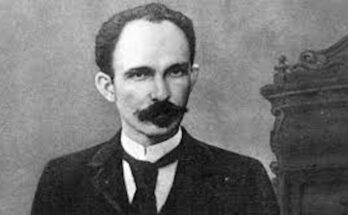
José Martí, a Cuban poet, essayist, and revolutionary figure, is widely celebrated for his contributions to literature and his role in the fight for Cuban independence. However, his insights extend beyond politics and literature; they also encompass a profound understanding of childhood and education. Martí’s views on these formative years underscore his belief in the potential of children to shape a better future.
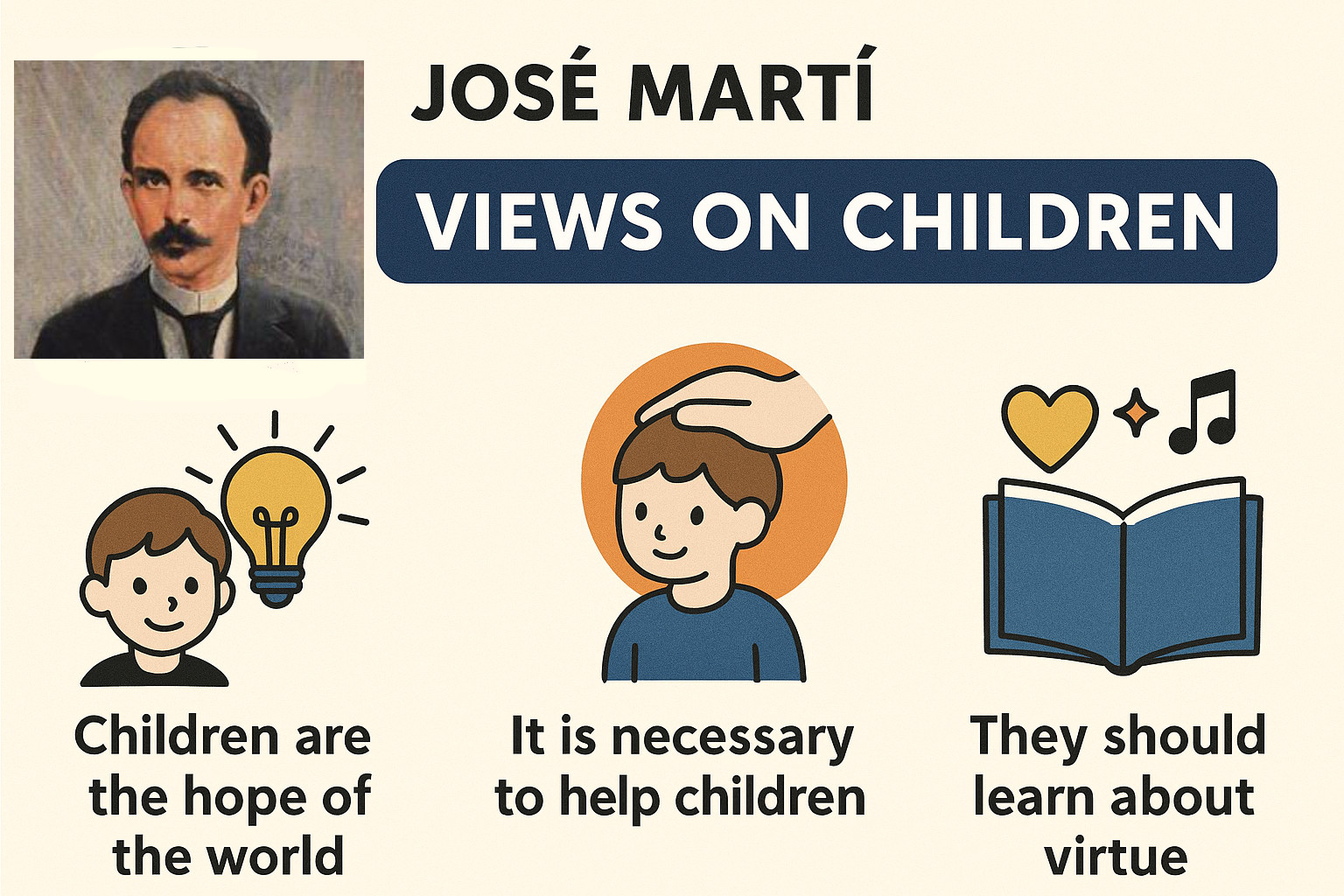
Martí regarded childhood as a sacred stage in human development, emphasizing its importance in shaping character and moral values. He believed that childhood was not merely a phase to be endured but a time rich with possibilities. In his essays and writings, Martí expressed that children are the very essence of society’s hopes and dreams. He once stated, “Children are the hope of the world; they are our future.” For Martí, the well-being and education of children were paramount, as they directly correlated to societal progress.
At the heart of Martí’s philosophy on childhood was the concept of education as a means of liberation. He believed that children should receive an education that fosters critical thinking, creativity, and independence rather than mere rote memorization. Martí advocated for an educational system that nurtured a child’s natural curiosity, helping them develop into informed and engaged citizens. He famously declared that “To know is to be free,” illustrating his conviction that education opens pathways to personal and collective emancipation.
Martí’s educational ideals were influenced by his own experiences and the injustices he witnessed in society. He saw the limitations imposed on children—especially those from marginalized backgrounds—as a barrier to both individual and societal growth. He firmly believed that every child, regardless of their socio-economic status, deserved access to quality education that celebrated their individuality and fostered their potential.
Martí also appreciated the importance of connecting children to nature and the arts. He understood that the natural world could inspire creativity and instill a sense of wonder. By engaging with nature, children can develop a nurturing relationship with their environment, promoting respect and stewardship.
In addition to nature, Martí recognized the arts as a crucial aspect of education. He believed that artistic expression allowed children to explore their emotions and ideas, helping them articulate their thoughts and feelings. Through literature, music, and visual arts, children could cultivate their identities and understand the human experience.
A staunch advocate for the rights of children, Martí condemned any form of exploitation or oppression. He often criticized systems that neglected the welfare of children, calling for a society that prioritizes their well-being. Martí was particularly concerned about the plight of children in poverty, advocating for a just society where every child could thrive.
His advocacy extended beyond mere words; he actively participated in movements aimed at improving education and social conditions for the youth. Martí understood that nurturing children was not merely a personal responsibility but a collective duty, essential for the advancement of humanity.
José Martí’s view on childhood is a testament to his deep compassion and foresight. His belief in the inherent worth of every child and the transformative power of education continues to resonate today. By advocating for a holistic educational approach, one that encompasses critical thinking, creativity, and a connection to nature. Martí laid the groundwork for a vision of childhood that champions both individual potential and societal progress. His legacy reminds us that nurturing the minds and spirits of our youth is not just an investment in the future; it is a moral imperative. Through education and empowerment, we can indeed shape a better world.