Cuba is reinforcing its anti-drug strategy in an international context characterized by increased production of illicit substances, especially synthetic drugs and opioids, as well as cocaine trafficking in the Atlantic and the Caribbean. Deputy Minister of Justice Pilar Varona Estrada presented a report highlighting the intensification of air and sea drug trafficking to the island, including attempts to introduce synthetic cannabinoids.
There are concurrent challenges such as domestic drug trafficking and the illegal cultivation of marijuana, which require comprehensive responses from various institutions. To address this problem, Cuba has promoted the National Strategy for Confronting and Preventing Drugs, which includes the participation of state agencies, local governments, and the public education and health systems.
Varona Estrada explained that the National Drug Commission has undergone restructuring since its creation, strengthening its capacity through the establishment of provincial commissions responsible for directing prevention and enforcement efforts at the local level. These commissions, chaired by vice-governors and coordinated by provincial directors of justice, have a similar approach to that of the National Drug Commission.
Internationally, Cuba is a signatory to three UN drug conventions and an active participant in the COPOLAD mechanism and cooperation agreements with more than 45 countries. It collaborates with 66 international agencies, notably its relationship with INTERPOL, and has established legal assistance agreements with more than 55 nations. Varona emphasized Cuba’s commitment to a “zero tolerance” approach to drugs, which entails a firm political will, compliance with international treaties, and a balance between prevention and action against drug trafficking.
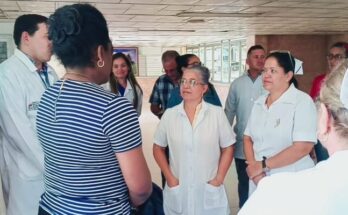
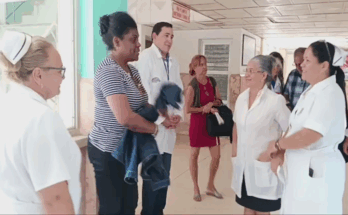
The vice-minister also stressed the importance of providing care to drug users. In this context, testimonies were presented from young people who have overcome substance abuse problems and are reintegrated into society thanks to the Cuban socialist system.
During 2025, Cuba conducted nationwide exercises to combat crime and illegal activities, including specific actions against drug trafficking. These initiatives began at the local level with the active participation of the Party and the government, focusing on vulnerable neighborhoods and schools, which it considered essential educational resources in the fight against drugs.
Cuba has used social media to inform and educate young people about the risks associated with drugs, seeking to strengthen social rejection of this problem. The production and dissemination of strategic information are a fundamental part of its comprehensive approach to combating drugs, ensuring that the Cuban socialist system serves as a support for the reintegration of individuals affected by substance abuse.